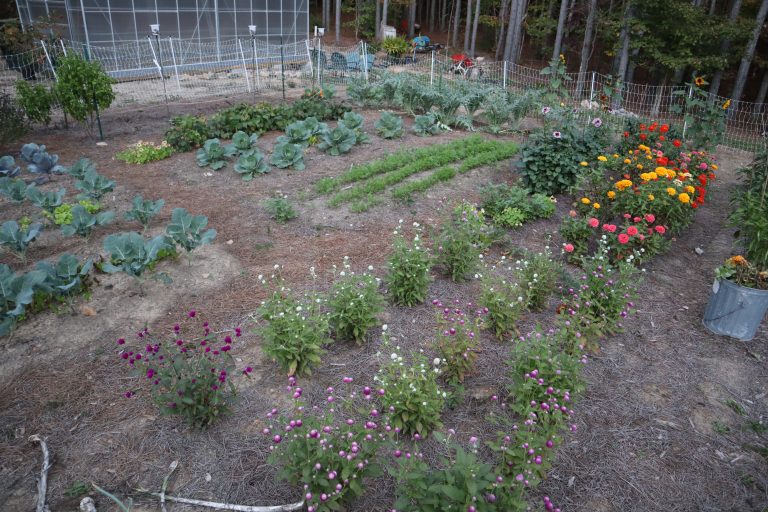
A market style garden has captured my eye for years. I like the neat rows of varied crops, and have long found inspiration in the orderly yet productive estate-owned gardens across the pond from the Victorian era and beyond. Gravetye Manor in Sussex has a beautiful kitchen garden that I am constantly finding myself drawn back to photographs of. While it’s not technically a “market garden”, it has similar characteristics in that it has a wide variety of crops within and is constantly being rotated.

The goal for our farm has always been to grow bigger each year, and to get things in the ground for tilling and easier amendment. While I have enjoyed the process of learning to grow from varied pots and planters, it is a wonderful feeling to have finally reached a goal that I’ve held in my head for a long time. With each potted herb, house plant, and haphazard summer vegetable gardens, I’ve been cultivating muscle memory to be better at managing and caring for what I have so I could take on more. If you find yourself in a season of waiting, or feeling discouraged the your ideal scenario isn’t in from of you, remember to be a HOPEsteader.
As you saw in my post (A Brand New Garden), we are starting from the beginning.
To start, I brought in the “right” soil. I used a local source who had decomposed leaf and tree trimmings. It was mostly broken down into great garden soil but I was still in need of more volume. The rest was filled in with Soil 3 soil.


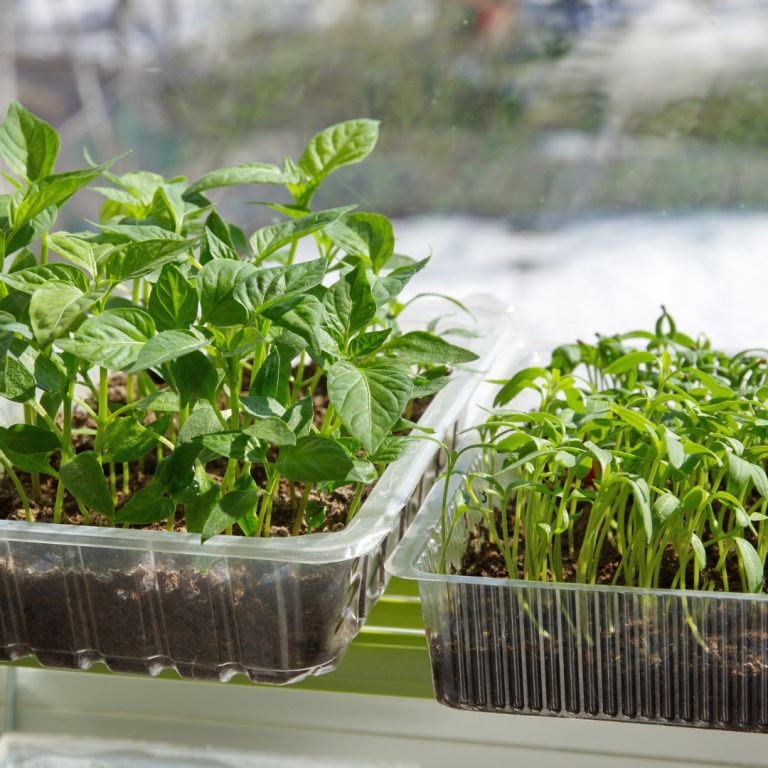
Keeping cost low, I find great savings in starting my own seedlings. I can grow a many number of varieties and manage inputs easily with my preferences.

I wanted to cram as much as I could in this space (which I have yet to measure it’s actual footprint), and do so with as little issue as possible. The best thing I could do is put as much space in between crops that don’t like to grow next to each other and keep in mind what I would be rotating into that space next. Beans aren’t close to peppers, squash isn’t close to potatoes, etc.
Come May, all those seedlings were ready to be put into the soil.

Above, they were hardened off over a day the span of 6-7 days and then I threw caution to the wind and put them in the ground.

I really like to use cardboard to stave off weeds from popping through. Since the ground was recently disturbed by mixing in the soil and clearing for our home place, weed seed has an increased chance of coming up in full sun and having a quality start to their new life. Placing cardboard around the edges of the garden has helped keep the border from encroaching into the garden.
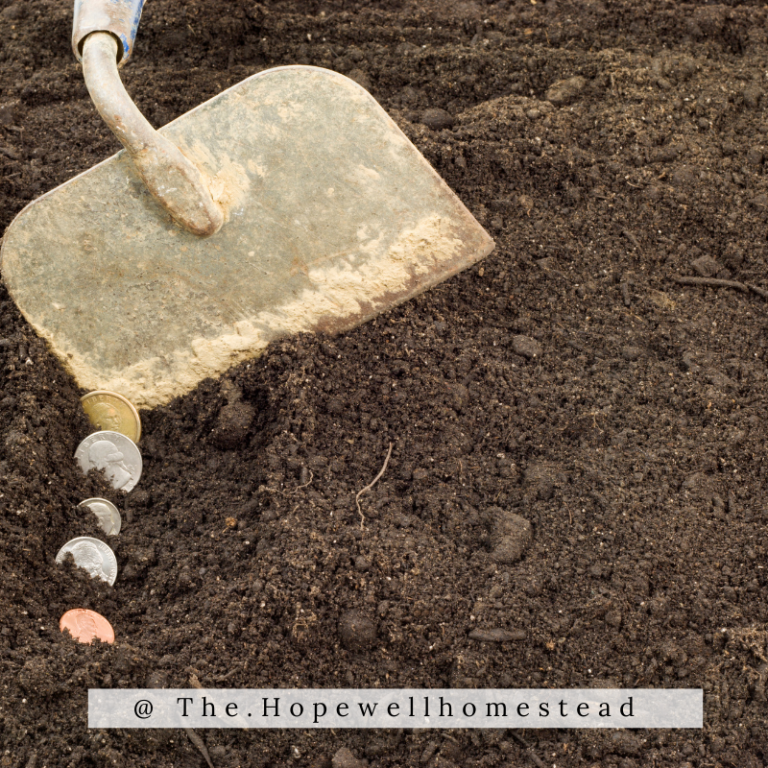
The soil has been piled up 10 or more inches in the rows where vegetables have been planted, which makes any straggling weed seed that may try to pop up through the bare soil, extremely weak and vulnerable. The trick has been to come in with a razor hoe and maintain the walkways between each row. This is the scuffle hoe I have, and I highly recommend it – plus, it’s made here in America. Doing this regularly and/or hand-picking tiny weeds or seedlings each day BEFORE they get big enough to take over and throw seed everywhere, has been the ticket to a weed-free garden.
As time went on, the garden started to show off more and more each week. All the way through mid-august (when I pulled out everything so I could begin fall preparations for the soil).


All in all, the garden did wonderfully. It was productive, had little pest issues I attribute to it’s newness as well as the electro culture practices. I’m working on the fall garden now and organizing it with plant starts and flowers. I hope to be better about documenting it’s progress this winter and spring and share a bit of insight on how I decided to rotate crops within it. Here’s a few more snaps of the garden. The pepper plant has a small gauge copper wire running along it’s row for electro culture.