
Fire cider is a traditional immune-supporting remedy with deep roots in folk medicine (but most popularly championed by herbalist Rosemary Gladstar). At its most basic, it’s a zesty infused vinegar, packed with powerful immune-boosting, anti-inflammatory, anti-bacterial, anti-viral, and circulatory herbs. The addition of hot peppers and a little local honey makes it both spicy and sweet, hence the name.

Ingredients
Method
- Chop all ingredients and cover in Apple Cider Vinegar at least 1-2" a top
- Allow herbs to steep for 4-6 weeks or a while (It's preserved well in the acidic environment)
- Strain and use mixed with honey or juice, as needed.
- You can dehydrate the leftover herbs that have been strained and repurpose those as a seasoning.
- You can also repurpose some of the fire cider vinegar as a vinegar ingredient in salad dressings.
Ingredients
1 large red onion, chopped 3 heads garlic, chopped 1 organic lemon with peel, diced ½ cup fresh ginger root, grated ½ cup fresh turmeric root, grated ¼ cup fresh horseradish root, grated ¼ cup fresh thyme, chopped 2 teaspoons fresh ground black pepper A few fresh cayenne or jalapeño peppers (depending on how spicy you want your fire cider, you might use more peppers, or omit them altogether—it’s better to err on the side of caution because you can always make it spicier later!) Honey to taste (After fermentation has happened)
Large Halfgallon Mason Jars Raw, unpasteurized apple cider vinegar
Directions
Remember—you can be flexible in how you make homemade fire cider. These ingredients are a start, but you can add others. Some other great options are dried elderberries, cinnamon sticks, Echinacea, Astragalus root, even lavender flowers.
Place all ingredients except honey in a half-gallon jar, and cover with raw, unpasteurized apple cider vinegar. Be sure to cover the herbs by at least few inches, then cut a square of parchment or wax paper and cover the jar before tightly capping it. Store in a warm place (I like the top of the fridge) for a few weeks, shaking the jar daily. After three weeks, your fire cider will pack a punch, but you can keep infusing for much longer if you like—I know herbalists that let their fire cider sit for months before straining it!At this point, you can strain out the herbs from the liquid, but another option is to blend the whole batch in a blender or Vitamix and let it sit for an additional week (without shaking for the last few days to let the ingredients settle) before pouring off the liquid.Either way, once you’ve finished infusing herbs, add warmed raw honey to taste (I usually add about 1/3 cup), mix thoroughly, and bottle. This doesn’t have to be refrigerated, but it can’t hurt.
Additional Ways To Use Your Homemade Fire Cider
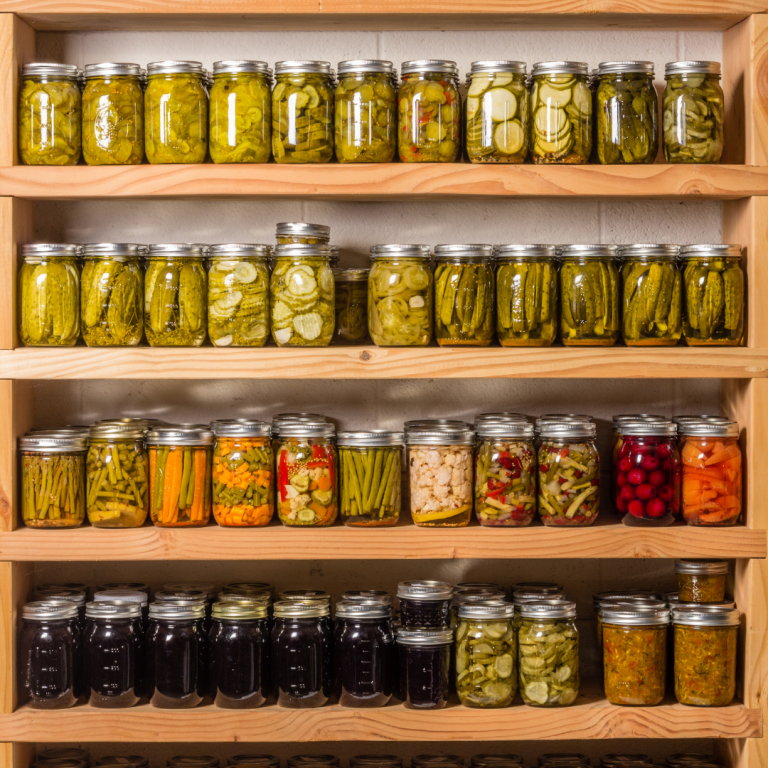
Homemade fire cider is so versatile! Combined with olive or avocado oil, it makes a zesty salad dressing, and you can also add it to soups and stews. This year, I even used homemade fire cider for making pickled cucumbers and okra!
What how I make it HERE : https://youtu.be/VINgKrAjprM
Other possible uses:
Rub into sore muscles and aching joints. Soak a clean flannel cloth in fire cider and place on the chest for congestion. Mix with honey to make a soothing, expectorant cough syrup. Add to a salad dressing.
Recipe by The Herbal Academy