|

Elderberry Syrup

Prep Notes

Dried black elderberries or 1 1/3 cups fresh or frozen

Filtered water

Fresh or dried ginger root

Cinnamon powder, or bark

Whole cloves or clove powder

Raw honey

Large saucepan

Cooking Time

40-45 Minutes on Stovetop

Ingredients

2/3 cup dried black elderberries or 1 1/3 cups fresh or frozen 3½ cups of filtered water 2 TBSP fresh or dried ginger root 1 tsp  cinnamon powder ½ tsp  cloves or clove powder 1 cup raw honey

Directions

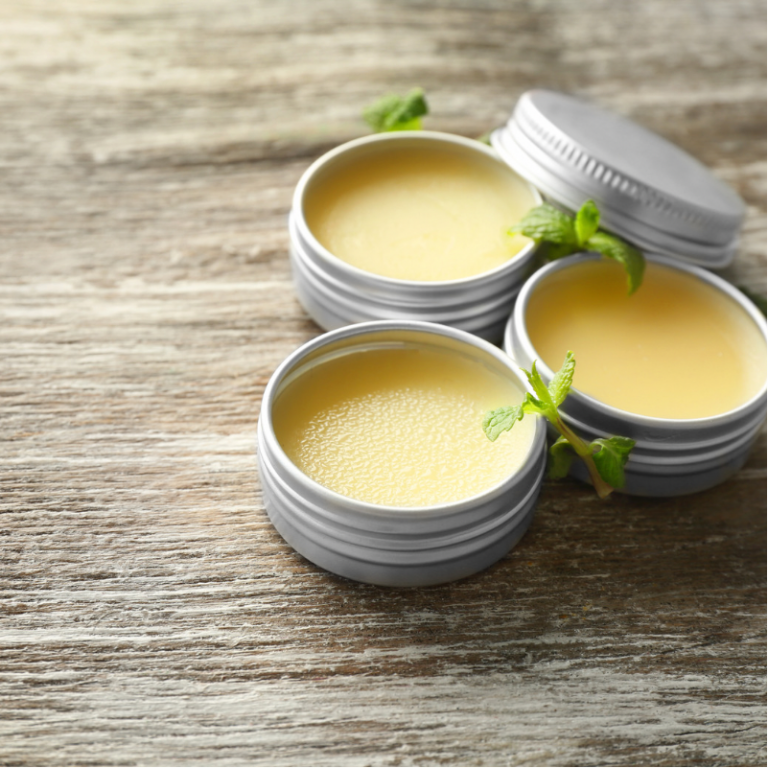
Pour water into medium saucepan and add elderberries, ginger, cinnamon, and cloves. Bring to a boil and then cover and reduce to a simmer for about 45 minutes to an hour until the liquid has reduced by almost half. Remove from heat and let cool until it is cool enough to be handled. Mash the berries carefully using a spoon or other flat utensil. Pour through a strainer into a glass jar or bowl. Discard the elderberries and let the liquid cool to lukewarm. When it is no longer hot, add the honey and stir well.

When the honey is well mixed into the elderberry mixture, pour the syrup into a quart sized mason jar or 16-ounce glass bottle of some kind.

Store in the fridge and take daily for its immune boosting properties. Some sources recommend taking only during the week and not on the weekends to boost immunity.

Notes

The standard dose is ½ tsp – 1 tsp for kids and ½ – 1 tablespoon for adults. 

If the flu or cold does strike, take the normal dose every 2-3 hours instead of once a day until symptoms disappear.

Credit

Wellness Mama
https://wellnessmama.com/1888/elderberry-syrup/

Similar Posts

  • Foraging Chanterelle Mushrooms

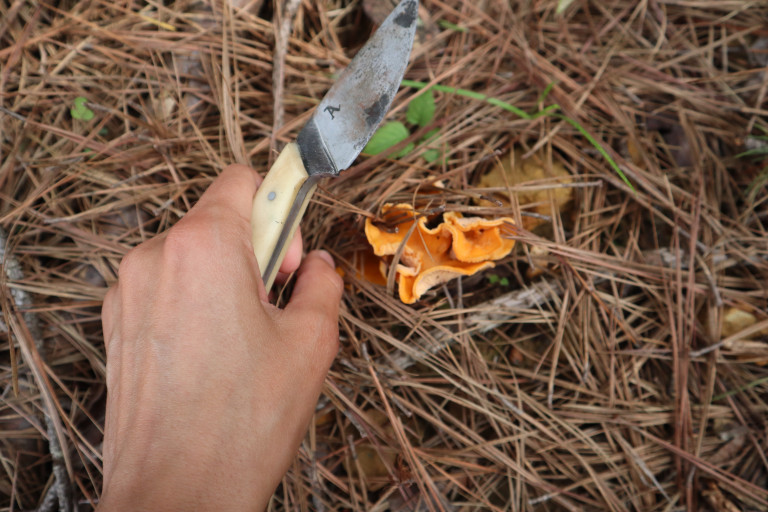
    (affiliate disclosure) Cantharellus is a genus of popular edible mushrooms, commonly known as chanterelles. They are mycorrhizal fungi, meaning they form symbiotic associations with plants, which makes it a challenge to cultivate domestically. There are many common name Chanterelles (over 40+ in North America alone) the common name for the chanterelle below is known as…

  • monthly vegetable garden checklist for grow zones 6 & 7

    Here’s a detailed monthly to-do list for maintaining a vegetable garden (in a sunny position) in USDA Hardiness Zones 6 and 7: January February March April May June July August September October November December While this list is not extensive, it will help keep important line-items at the forefront of your mind and you establish…

  • Are you actually water glassing eggs?

    The “storm” of the last few years has created a tsunami wave of new, interested and excited individuals who are practicing the dying art of food preservation among other things. It’s been encouraging to watch the influx of interest rise and the joy of bringing back and reclaiming a bit of independence from the systems…

  • Foraging Autumn Olive: Make An Invasive Preserve

    Autumn Olive (Elaeagnus umbellata Thunb) is an invasive deciduous shrub here in my neck of the woods. It originates from Asia. It was brought back and cultivated as early as the 1800s to provide habitat and food source for wildlife but made it’s way to roadsides and erosion-prone soil in the 1950s. It has become…

Leave a Reply

Your email address will not be published. Required fields are marked *